

RF AMPLIFIERS · TECHNICAL GUIDE
RF Amplifier Systems vs Modules
Choose the integration format after checking what the specific configuration includes.
01 / ENGINEERING REVIEW
Use configuration as a starting point
The catalog distinguishes System and Module products. These labels help narrow a search, but they do not guarantee a particular supply, enclosure, cooling arrangement, interface or protection feature.
02 / ENGINEERING REVIEW
Compare the integration responsibilities
- Supply: confirm voltage, current, connectors and sequencing.
- Thermal: identify included cooling and the required mounting or airflow.
- Mechanical: review dimensions, weight and connector positions.
- Control: confirm enable, gain control, monitoring and remote interfaces.
- RF: verify bandwidth, qualified output, gain, impedance and input limits.
03 / ENGINEERING REVIEW
Read a module example
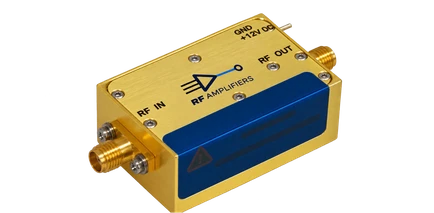
Review HD35269 and its linked datasheet to see a specific module entry. Compare it with system entries in All Products using the Configuration filter. Similar frequency coverage alone does not make two configurations interchangeable.
04 / ENGINEERING REVIEW
Quote the complete requirement
Tell the team whether you need a standalone installation or an amplifier for integration into existing equipment. List the supply, cooling, control and mechanical resources already available, and identify the items that must be included in the quotation.
Confirm the final scope in the model-specific documentation and quotation before making an integration decision.
05 / NEXT STEPS
Continue your technical review
View HD35269 · HD35269 datasheet (PDF) · Search all products · Request a quote
General selection guidance. The current model-specific datasheet and agreed configuration govern product limits.